A Sony CDP-101 went on sale in Japan in October 1982 and needed a full rack shelf to read one silver disc. Forty-odd years on, the best audio players for a living room can be the size of a paperback, and the choice is wider than it has ever been. That is the problem. There are now at least five types of audio players that make sense at home, and each one asks for a different kind of listener.
This guide sorts them by how you actually listen, not by price bands. A record collector, someone who lives inside Spotify and a person who wants music in the kitchen without thinking about it will each end up with different audio players, and all three can be right.
Types of audio players at a glance
| Type | Plays | Good for | Watch out for |
|---|---|---|---|
| Turntable | Vinyl records | Collectors, focused listening | Needs a phono stage, records cost money |
| CD player | CDs, sometimes USB | Existing CD collections | Fewer new models each year |
| Network streamer | Streaming services, files on a network | Most people starting fresh | Depends on apps that can change |
| Portable player (DAP) | Files, some streaming | Headphone listening | Small market, fewer brands |
| Smart speaker | Streaming, radio | Kitchens, background music | Limited stereo, voice assistant lock-in |
Each of these audio players reads music from a different place. That source decides most of what follows: what the music costs, how much shelf space it needs and whether it still works if a company changes its app.
Turntables: the slowest way to play a record, and the most rewarding
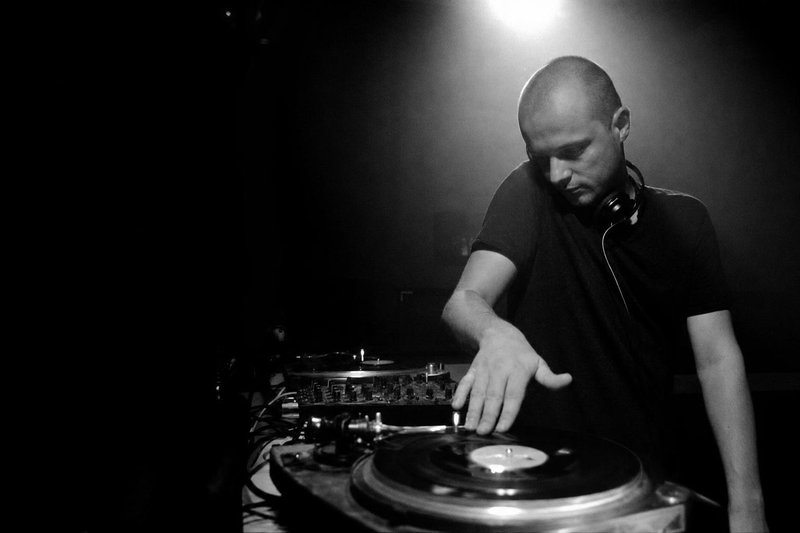
A turntable is the only common player where you can watch the music being read. A diamond stylus sits in a groove, and the wiggles of that groove become a tiny electrical signal in the cartridge. Because the signal is so small, it has to pass through a phono stage before any normal amplifier can use it. Many entry-level decks now include one, and some add a USB output or a Bluetooth transmitter.
The Technics SL-1200 arrived in 1972 and is still made, which says something about how little the basic idea needs to change. For home use, the details that matter are a stable speed, an arm that tracks without skating across the record and a cartridge that can be replaced when it wears out.
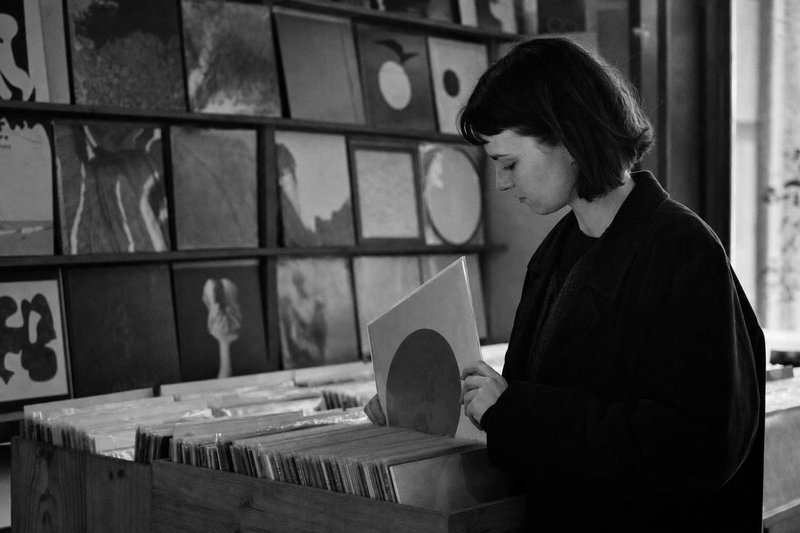
Turntables are a poor choice for anyone who wants a large library quickly. New pressings are expensive, and a shelf of fifty albums is a commitment. They suit people who like to sit down and play one side from start to finish.
Our view: buy a turntable second, after you know which records you will actually play.
CD players and the case for the cheapest lossless format
The compact disc stores music at 16-bit and 44.1 kHz, the Red Book standard that Sony and Philips agreed in 1980. It is lossless, and nothing about it degrades in normal use. Second-hand discs sell for a pound or two in charity shops across the UK, which makes the CD the cheapest way to own music outright.
The hardware side is shrinking. Fewer brands release new CD players each year, and some of the newest models are transports without their own converter, built to feed an external DAC. A good used player from Marantz, Cambridge Audio or Denon is still easy to find and easy to live with.
Network streamers: the best audio players for most homes
A network streamer joins your Wi-Fi and plays whatever the apps on your phone send it, from Qobuz, Tidal, Apple Music or Spotify, internet radio, or files stored on a home server. The phone becomes the remote control, while the streamer does the decoding and sends a clean signal to the amplifier.
For someone building a first system, this is usually the best of the audio players covered here, because it gives access to millions of tracks for the price of a subscription. Small units such as the WiiM Pro or the Bluesound Node sit under a television or beside an amplifier and take up almost no space.
The catch is dependence. A streamer is only as good as the software behind it, and apps change, merge or disappear. A record or a disc keeps playing whatever a company decides. That trade-off is worth naming out loud before buying, because it is the one people regret.
Portable players and headphones
The iPod arrived in October 2001 and Apple stopped selling the last iPod touch in 2022. The category did not die with it. Dedicated audio players, often called DAPs, are still made by FiiO, Astell&Kern and Sony for people who want a headphone amplifier and a large file library in one pocket device, without notifications interrupting the album.
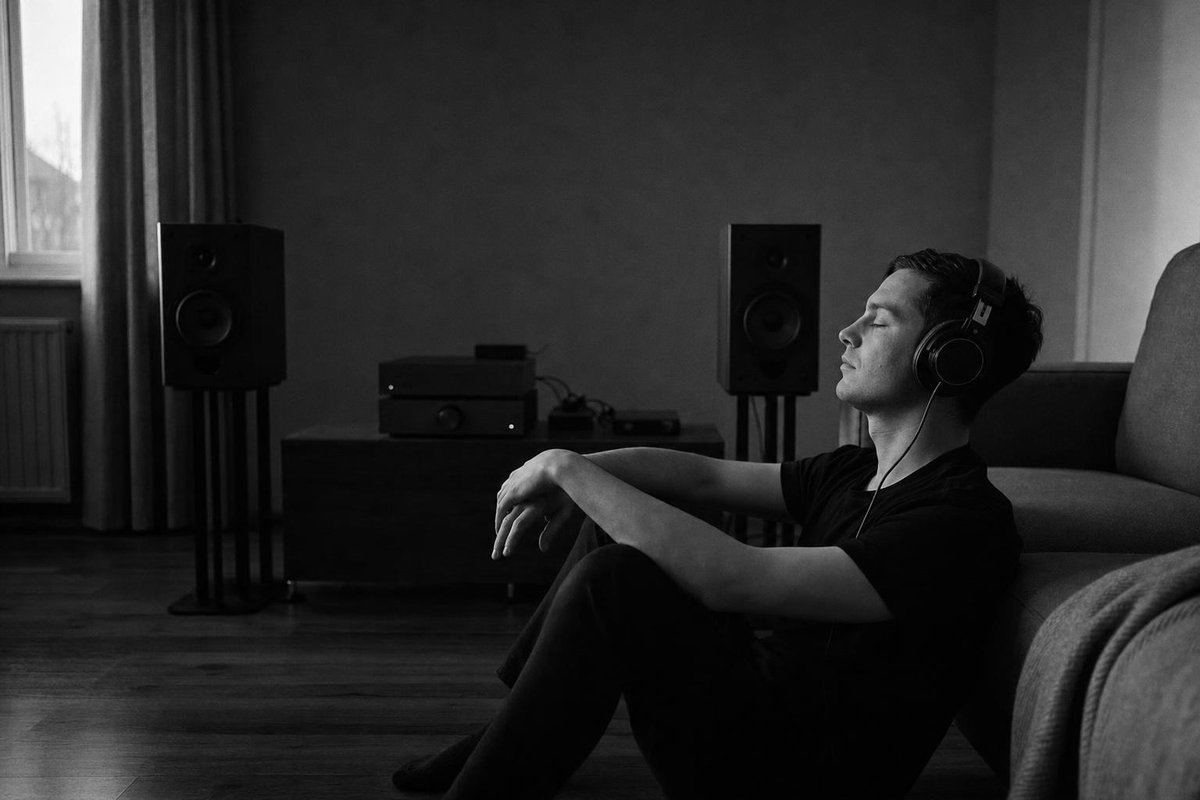
If you mostly listen on headphones at home, a DAP or a small USB DAC attached to a laptop does more for the sound than an expensive speaker system you rarely switch on. It is also the cheapest way to hear what a lossless file actually adds.
Smart speakers and the kitchen question
A smart speaker is an audio player and a speaker in one box, controlled by voice or an app. Sonos, Amazon and Google sell the best-known ones. They are excellent at what most households want, which is radio in the morning and a playlist while cooking, and they ask nothing of the listener.
They are less good at stereo. One speaker cannot place instruments across a room the way a pair can, though most ranges let you pair two units. Treat a smart speaker as a convenience player, and keep a proper pair of speakers for the albums you care about.
Choosing between the types of audio players
Start from your collection, not from the player. If you already own records, the decision is about which turntable. If you own a box of CDs, a used CD player costs less than a month of indecision. If you own nothing and stream everything, a network streamer plus a pair of powered speakers is the shortest route to good sound at home.
Then think about the room. A small flat with neighbours on both sides does not need floor-standing speakers, and headphones may be the better investment. A large living room rewards a stereo pair placed away from the walls.
Bluetooth deserves a separate word. It is convenient and often good enough, but every Bluetooth link compresses the music, and the codec decides how much. SBC is the basic one every device supports; AAC suits iPhones, while aptX and Sony's LDAC carry more data on Android. For background music, none of this matters much. For an album you know well, a cable or Wi-Fi will sound noticeably fuller.
One small habit improves every one of these players for free: turn off loudness and bass boost settings, set the volume once, and listen to a record you know very well before you change anything else. Most of the difference people hear between systems turns out to be the difference between two volume levels.
And if you are still unsure, borrow. A friend's old turntable for a fortnight will tell you more about whether you are a records person than any review, this one included.